

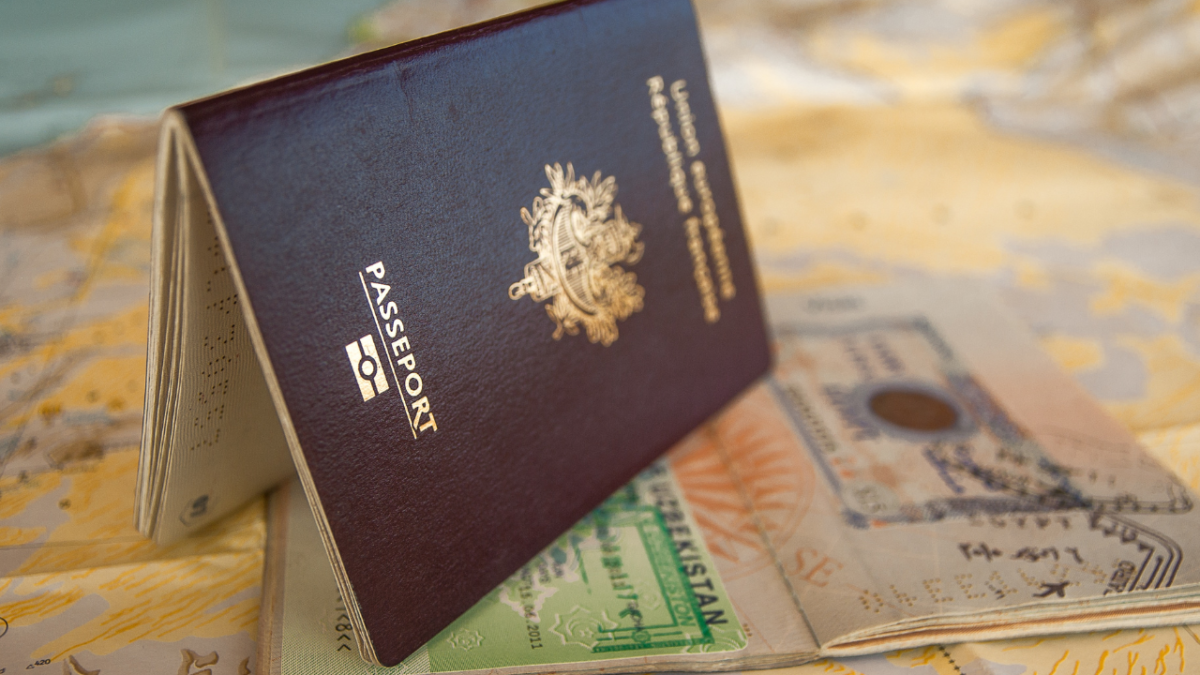
A visa application is not simply a collection of documents.
Your passport says where you have travelled. Your academic records show what you studied. Employment letters explain your professional background. Bank statements show your financial position, while your application forms bring all of these details together.
Problems can arise when these records tell different stories.
A course application may not fit naturally with previous education. Employment dates may differ between documents. A visitor may provide strong financial evidence but very little information about the reason for travel. Small inconsistencies do not always mean something is wrong, but they can make an application harder to understand.
Before submitting a visa file, it is useful to review it as one complete story rather than checking each document separately.
Working with a Visa consultant in mohali, Punjab can help applicants identify questions that should be addressed before submission instead of discovering them later.
Start With a One-Page Personal Timeline
Before collecting documents, create a simple timeline covering the major stages of your recent history.
Include:
• Education
• Employment
• Career gaps
• Previous international travel
• Important visa applications
• Current occupation
• Major changes in personal circumstances
Use exact dates wherever possible.
This timeline becomes your reference point when completing forms and preparing supporting documents. If your resume says you started a job in January but an employment letter says March, you can investigate the difference before filing.
The purpose is not to make your history look perfect. Real lives include career breaks, changes of direction and periods without travel or employment.
The goal is accuracy.
Your Education and Future Plan Should Connect
For students, one of the most important questions is simple: why this course?
An applicant may genuinely want to change careers, pursue a specialised qualification or move into a new field. That can be perfectly reasonable, but the decision should be clearly thought through.
Before approaching an Australia study visa consultant in Mohali, students should be able to explain:
Why have I selected this subject?
How does it relate to my previous education or experience?
Why does this level of study make sense for me?
What do I hope to gain professionally?
Which factors influenced my choice of institution and destination?
A convincing study plan comes from genuine research and personal reasoning. Copying generic statements about international exposure or world-class education rarely explains why a particular course is right for one individual.
Check Employment Dates Carefully
Employment histories are another common source of accidental inconsistency.
You may have changed roles within the same company, moved from probation to permanent employment, worked part-time before becoming full-time, or received a promotion.
These details can make dates look different across documents.
Create a master employment record containing the company name, position, start and end dates, work arrangement and major role changes.
If there was a genuine gap, record it honestly.
Do not stretch employment dates merely to make a resume look continuous. An accurate six-month career break is better than an employment history that conflicts with supporting records.
Review Finances as a Story, Not Just a Balance
Applicants often focus on one number: the balance available in a bank account.
Financial documentation is broader than that.
Where did the funds come from? Who is paying for the trip or education? Does the source make sense in relation to the person’s income and circumstances? If someone else is providing financial support, is that relationship properly explained?
Large recent deposits may have a genuine explanation, but the supporting evidence should make that explanation understandable where required.
For students, the financial plan should also be realistic. Tuition, travel and living expenses should be considered together rather than treating the visa process as the only cost involved.
For visitors, the financial position should make sense in relation to the length and purpose of the proposed trip.
Make Your Travel Purpose Specific
A tourist visa application becomes clearer when the travel plan sounds like a real trip rather than a generic desire to visit another country.
Think through:
• Why are you travelling?
• Why have you chosen those dates?
• Where do you intend to stay?
• Who are you travelling with or visiting?
• How will the trip be funded?
• What responsibilities or plans do you have after the visit?
The best tourist visa consultants in Mohali should not need to invent a travel story for an applicant. Their role should be to help present the genuine purpose and available supporting information clearly.
A simple, truthful travel plan is more useful than an elaborate explanation filled with unnecessary details.
Keep Previous Visa History Accurate
Previous applications should not be treated as though they disappeared once a decision was made.
Keep copies of old visa forms, refusal letters, grant letters and relevant supporting records whenever possible.
Before submitting a new application, check whether details such as education, employment dates, family information and travel history are consistent with what you previously declared.
Circumstances naturally change. A new job, marriage, qualification or address is normal.
The important point is that genuine changes should be distinguishable from unexplained contradictions.
If you notice a mistake in an older application, do not automatically copy the same incorrect information into a new one simply for the sake of consistency. Seek appropriate guidance on how the accurate information should be presented.
Different Visa Categories Need Different Stories
One mistake applicants make is treating every visa application in the same way.
A student visa focuses heavily on the purpose and circumstances of study.
A visitor application centres on temporary travel.
A work-related pathway involves a different set of eligibility questions and professional information.
Someone researching an International Mobility Program open work permit for Canada, for example, should first understand whether a particular current work-permit category is actually relevant to their circumstances rather than assuming that a popular term online automatically describes the permit they can obtain.
The same principle applies to Australia, the UK and other destinations.
Start with eligibility and purpose. Documentation should support the correct pathway—not be assembled first and forced into whichever visa category appears attractive.
Avoid Copy-Paste Personal Statements
Templates can help applicants understand structure, but they should not replace personal reasoning.
A statement written for someone else may contain career goals, family circumstances or financial explanations that have nothing to do with your profile.
The strongest application narrative usually comes from answering straightforward questions in your own words first.
What are you doing now?
Why are you making this decision?
Why have you selected this destination?
How does the plan fit your personal, academic or professional circumstances?
Once those answers are clear, they can be organised into a professional format without losing the applicant’s individual voice.
Do a Final Cross-Document Audit
Before submission, review the entire application instead of checking documents one by one.
Compare names, dates and other key information across:
• Passport
• Application forms
• Resume
• Academic documents
• Employment records
• Financial documents
• Travel history
• Supporting statements
• Sponsorship documents, where applicable
Also check practical details such as document readability and whether requested information has actually been included.
A final review can catch simple problems that are easy to miss when documents have been prepared over several weeks.
Frequently Asked Questions
- Does a small difference in employment dates automatically mean a visa will be refused?
Not necessarily. The significance depends on the circumstances and the visa process involved. However, applicants should aim to provide accurate information and clarify genuine discrepancies where appropriate. - Should my study course be directly related to my previous qualification?
Not every student follows a straight academic path. If you are changing fields, you should be able to explain the genuine academic or career reasoning behind that decision. - Why are financial documents important for a tourist visa?
Financial information may help demonstrate how the proposed trip will be funded. The documents provided should accurately reflect the applicant’s circumstances and the requirements of the relevant visa. - Can I use the same SOP or personal statement for different countries?
It is better to prepare information around the specific course, institution, destination and visa requirements involved. A generic statement may fail to explain your actual decision. - When should I approach a visa consultant?
Ideally, seek guidance before the application becomes urgent. An early review gives you more time to understand requirements, identify missing documents and correct genuine inconsistencies.
Conclusion
A strong visa file is not necessarily the one with the most documents.
It is the one that is easy to understand.
Your education, employment history, finances, travel purpose and future plan should present an accurate picture of your circumstances. When something has changed, explain it honestly. When information is uncertain, verify it rather than guessing.
Whether you are planning to study in Australia, explore a Canadian work option or travel overseas for a temporary visit, start by getting your own records in order.
White Wave Immigration can assist applicants in understanding visa processes and preparing their documentation according to their individual circumstances. Careful preparation cannot guarantee an outcome, but it can help ensure that the application you submit accurately reflects the story you intend to tell.